What is the Difference Between a Ballistic Plate and a Trauma Plate?
It is very important for people that work in military law agencies and security to know about different items of personal armoring. There is a wide variety of protective items, however, ballistic and trauma plates are among the most commonly used types. The article will provide an answer to this question as well.
What is a Ballistic Plate?
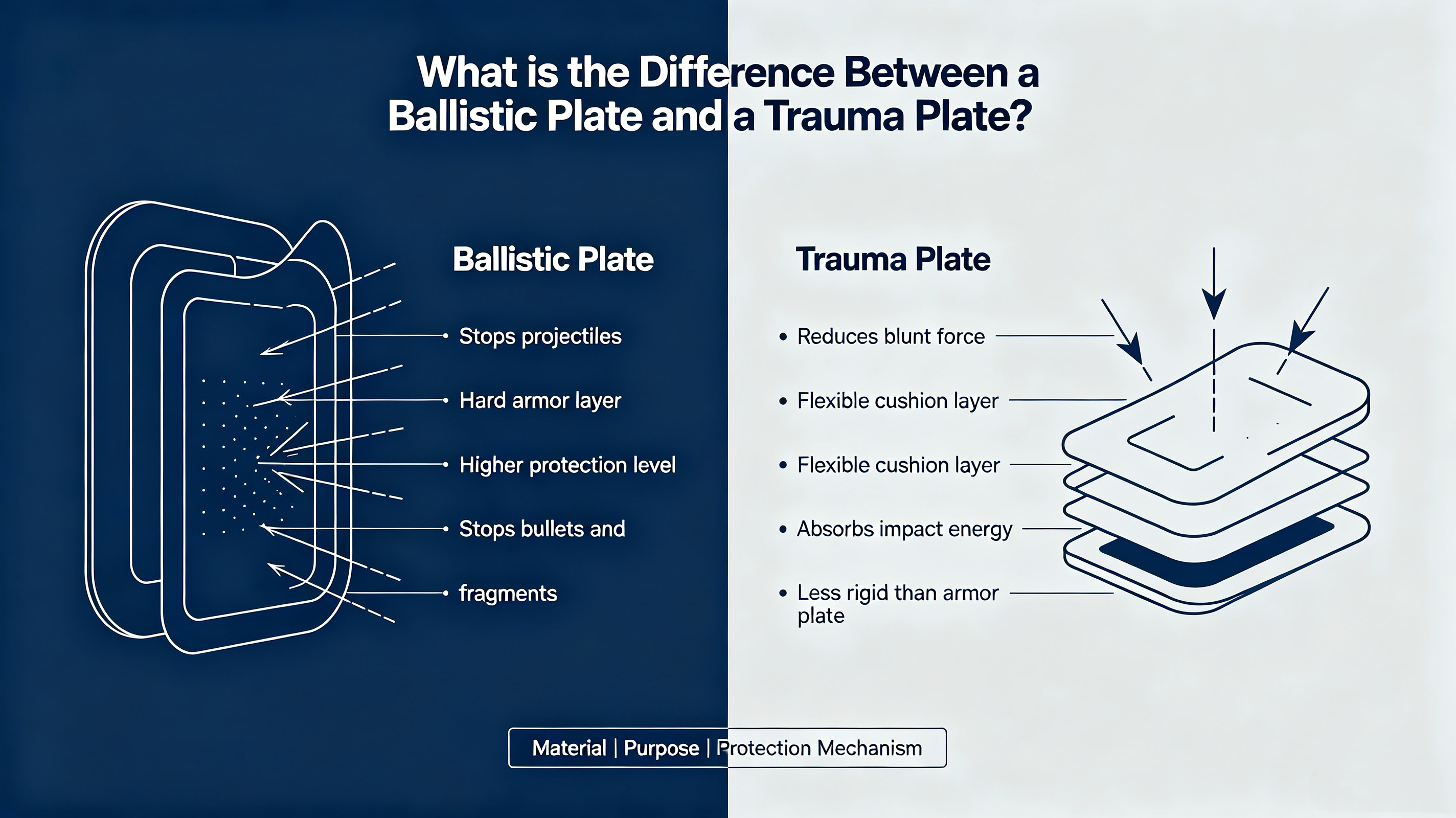
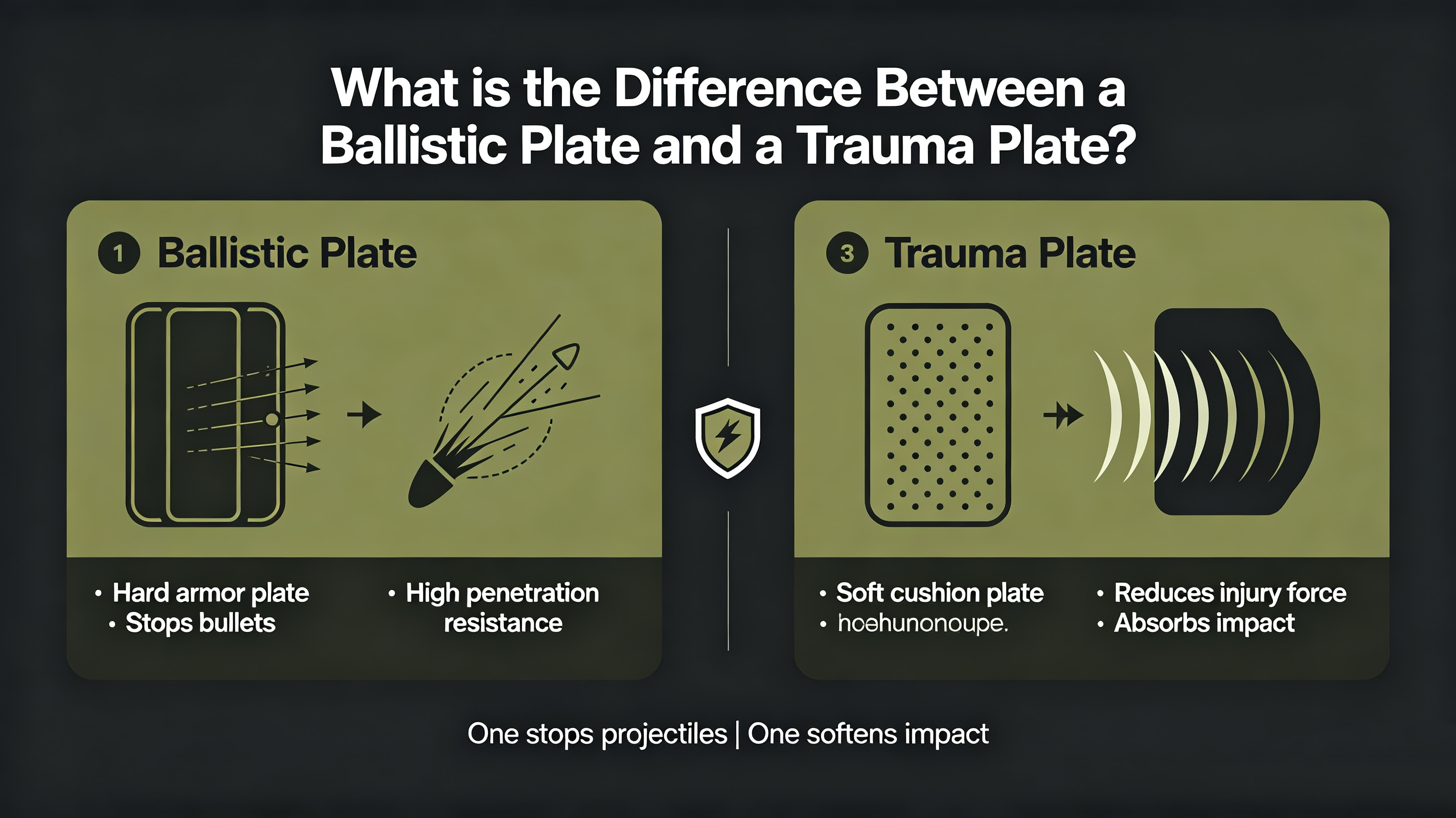
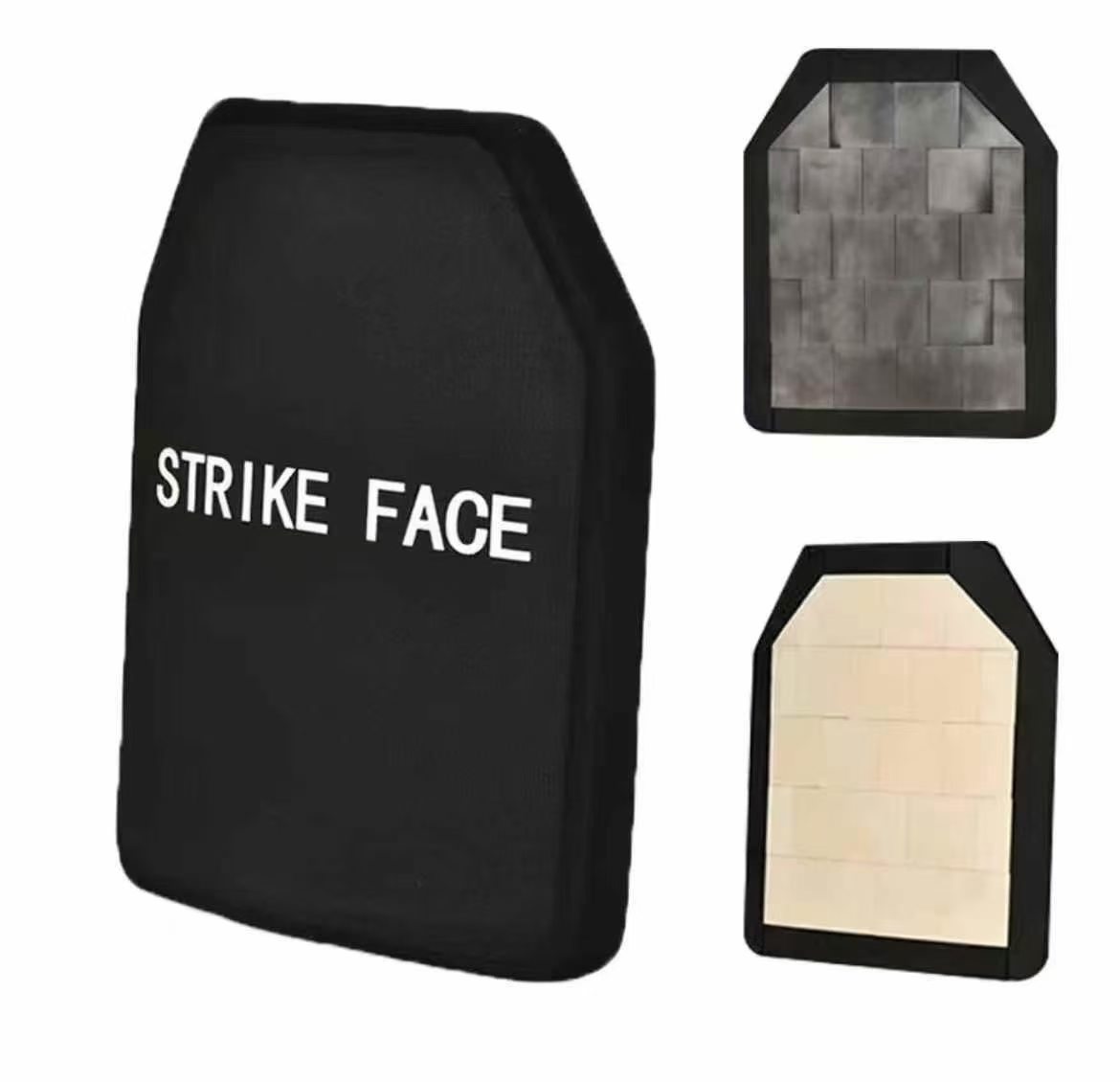
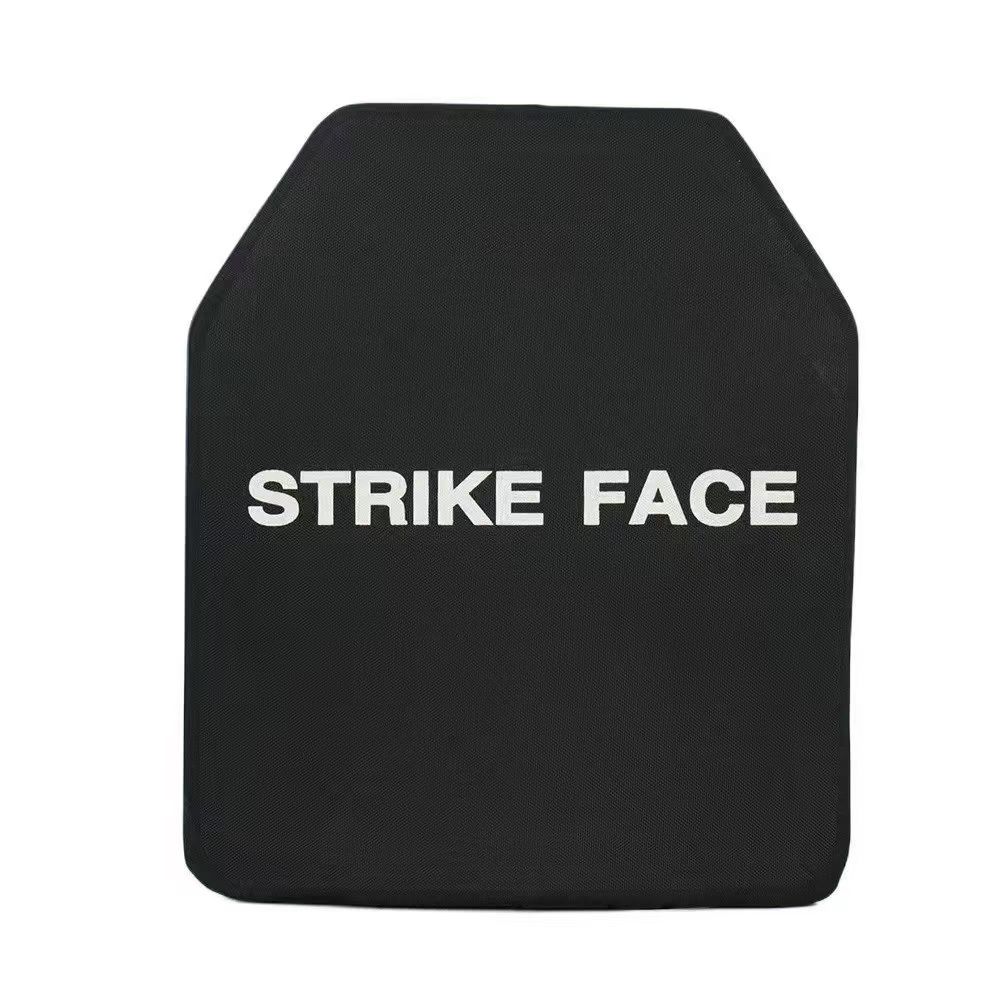
The ballistic plate is a component of hard armor to be combined with soft armor. The main purpose of the ballistic plate is protection against ballistics, or projectiles, like bullets from a gun. There are many kinds of ballistic plates, each representing a certain ballistic protection level defined by the standards of the National Institute of Justice (NIJ). For example, a Level III level and Level IV plate can withstand certain projectiles with defined characteristics.
What Are Trauma Plates?
Conversely, trauma plates may not designed to resist bullet impacts. Rather, these plates reduce trauma caused by impacts that occur when armor does not perform effectively. The production material used for trauma plates include softer materials such as foams or other types of composites and are generally positioned at the back of armor where the impact occurs.
Key Differences Between Ballistic Plates and Trauma Plates
The scope of operations between the two armors is mainly what differentiates them. A ballistic plate is intended to stop the bullets from penetrating the armor while the purpose of a trauma plate is to keep the wearer safe from consequences of injuries that occur notwithstanding its application. In addition, ballistic plates have their levels of protection determined depending primarily on their ability to stop the bullets; trauma plates do not have any levels of protection.
Understanding Ballistic Plate Levels
When selecting the required body armor, it is important to be familiar with the various classifications of ballistic plates. The National Institute of Justice (NIJ) classifies ballistic plates according to their level of protection.
- Level III: Protects against most rifle rounds.
- Level IV: Specifically designed to withstand armor-piercing rounds.
Whenever you choose a ballistic plate, you must consider the NIJ rating and the specific threats that you may face while performing your duties.
Ballistic Plate Sizes
When it comes to choosing the right size of ballistic plates, one should know that there are a variety of sizes based on body shape and armor carriers. Ballistic plates come in small, medium, large, and extra-large sizes. Finding the right size when it comes to ballistic plates is crucial because if the size is wrong, movement is hampered and particular vital areas are left unprotected.
Frequently Asked Questions
What is a ballistic plate?Ballistic plates are rigid armor components that perform the task of minimizing ballistic risks. These items are typically utilized in conjunction with soft body armor.
What are level 4 ballistic plates?The rated level four ballistic plate is designed to protect against projectiles including armor piercing ones at specified speeds. The plate can be used in situations where there may be a serious cause to worry about the safety of a person.
Conclusion
Understanding the distinctions between ballistic plates and trauma plates is a vital skill that everyone should have. The function of ballistic plates is to stop bullet penetration, while trauma plates are aimed at preventing injuries from blunt force trauma. It is critical to assess the available choices and select the right armor for the situation that you’re in.
Post time: Aug-19-2026