Are Bulletproof Helmets Possible?
What Buyers Need to Know Before Choosing Ballistic Protection
Indeed, there exist helmets that provide resistance against bullets. However, the word ‘bulletproof’ is somewhat confusing. There is no helmet that truly protects the wearer from any type of bullet at any range, from all directions, and from multiple hits as well. The only helmets that are capable of protecting are the ones that have been specifically designed to protect against certain types of threat.
What Is a Ballistic Helmet?
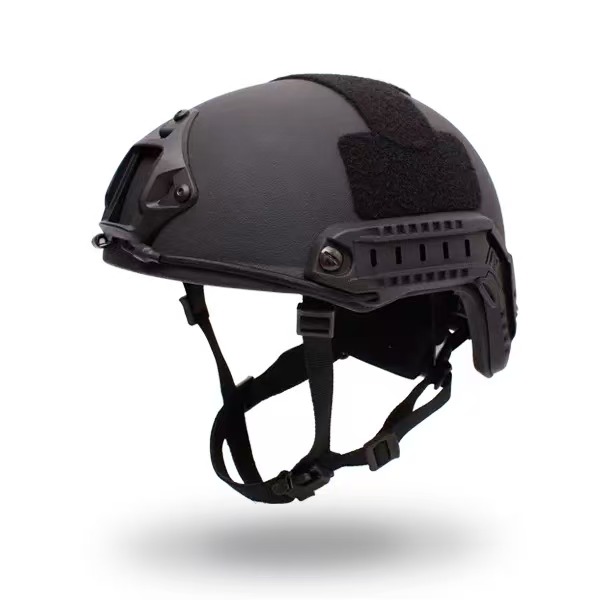
A ballistic helmet is a specific protective gear for the head made of materials effective against impacts as well as bullets and other harmful objects. The production and testing standards can give a suggestion on whether this defense mechanism can protect from bullets as well as swift pieces of china, ricochets, blunt impact, etc.
The production of helmets in this modern age is done through the use of aramid fibers like Kevlar and ultra-high-molecular-weight polyethylene (UHMWPE), as well as hybrid composite materials. The designed materials are adept in the dispersion of impact energy over a large area. Rather than letting a projectile pass through the medium, the material structure consists of fibers that arrest, deform, and slow down the bullet.
However, penetration control is only part of the job. The helmet is also required to minimize backface deformation, implying that the helmet’s shell will not buckle upon impact. Even in the absence of penetration, however, energy transmitted through the material can still cause serious blunt force injuries, concussions, and brain injuries.
Understanding Ballistic Helmet Protection Levels
Using terms such as “Level 3,” “Level 4,” and “Level 5” to name helmets can confuse consumers. Although these terms belong to the realm of body armor, these helmet levels do not follow the definition of body armor levels.
Standards for ballistic vests have been established by the US National Institute of Justice (NIJ) and follow accepted criteria and standards. Meanwhile, helmet quality is established by the use of tests conducted by military, law enforcement agencies, or the manufacturer. Therefore, when buying helmets, the buyer should demand the lab data pertaining to the tests that were conducted, including details such as the caliber of the bullets used, the test velocity, the bullet placement, as well as the conditioning protocols of the lab.
| Common Marketing Term | What It Usually Suggests | What Buyers Should Verify |
|---|---|---|
| Level IIIA helmet | Handgun and fragmentation protection | Exact handgun rounds, velocity range, backface deformation, and test laboratory |
| Level III helmet | Possible rifle-threat claim | Specific rifle caliber, ammunition type, strike count, and test conditions |
| Level IV or Level V helmet | High rifle or armor-piercing protection claim | Whether the claim is backed by credible independent test documentation |
What Materials Are Used in Modern Ballistic Helmets?
Originally made from Kevlar, helmets are now made of a variety of materials. Aramid helmets are known for their hardness, heat resistance and years of proven use. UHMWPE helmets can also be a good option, as they are lightweight and provide high ballistic performance, but they should be used with caution due to their behavior after prolonged exposure to heat, etc.
There are a number of top-quality helmet types that combine aramid fibers, polyethelene, resins, and materials so as to achieve an optimal combination of weight, safety, stability, and durability. However, the quality of the production process is equally crucial.
Wearing a “Kevlar” or “PE” labelled helmet should not automatically make one assume that it is of superior quality. It is necessary to verify particulars regarding the manufacturing company, including the materials used in making the shell, safety standards, testing agency, conditions for production, warranty and lifespan.
How to Choose a Bulletproof Helmet for Sale
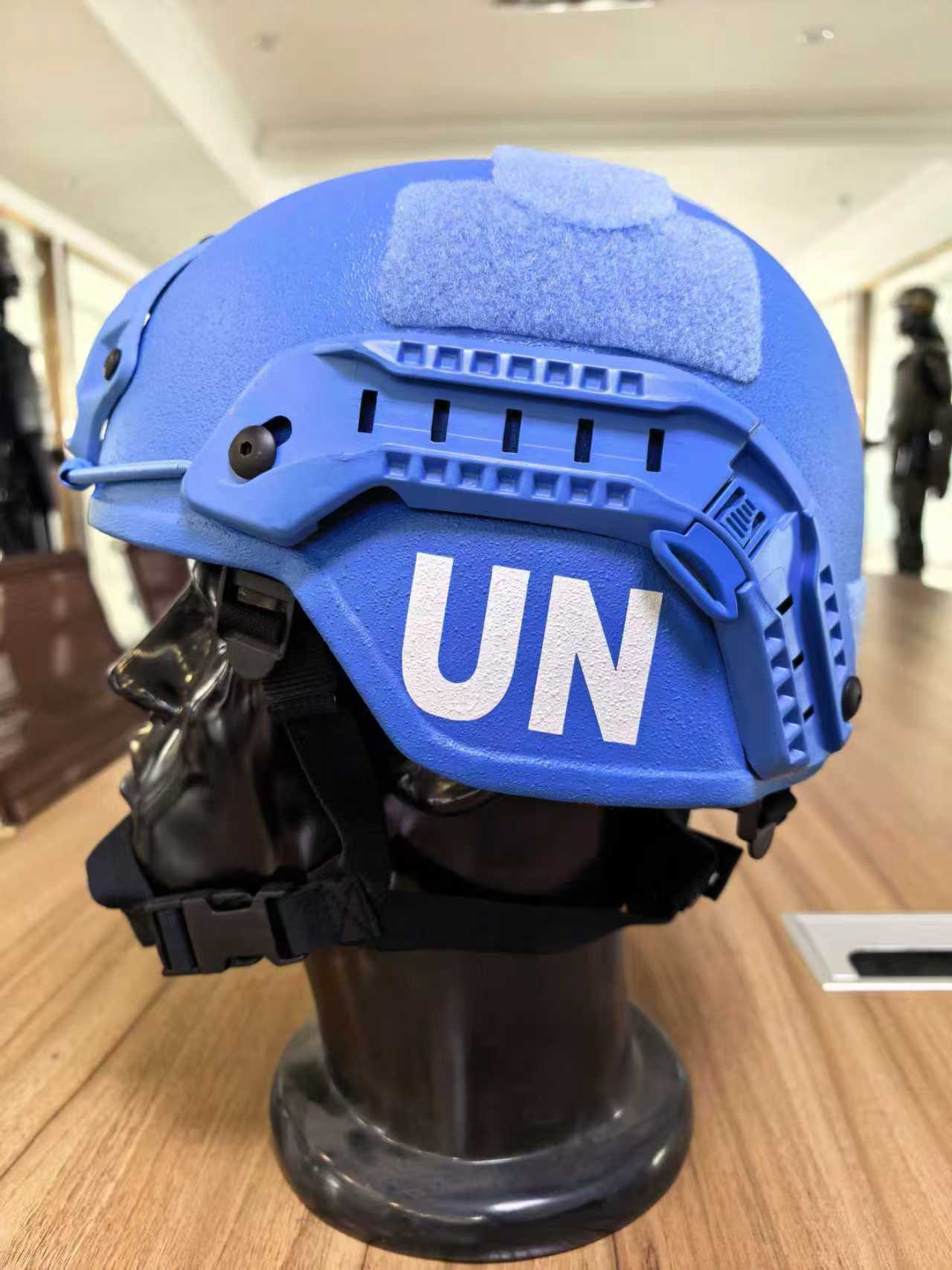
Purchasing bulletproof helmets requires assessing the necessary operational requirements first. Depending on their roles, law enforcement officers, specialized squad members, private security specialists, war journalists, and military professionals may need various levels of protection against projectiles, weight considerations, and coordination with communication technology.
Wearers should first check the rated threat level of the helmet. After that, look into issues related to the helmet’s fit, retention mechanism, suspension technology, weight, and compatibility with equipment. Despite offering a high level of protection, an ill-fitting helmet can slip out of place during activation, creating pressure spots and affecting hearing abilities.
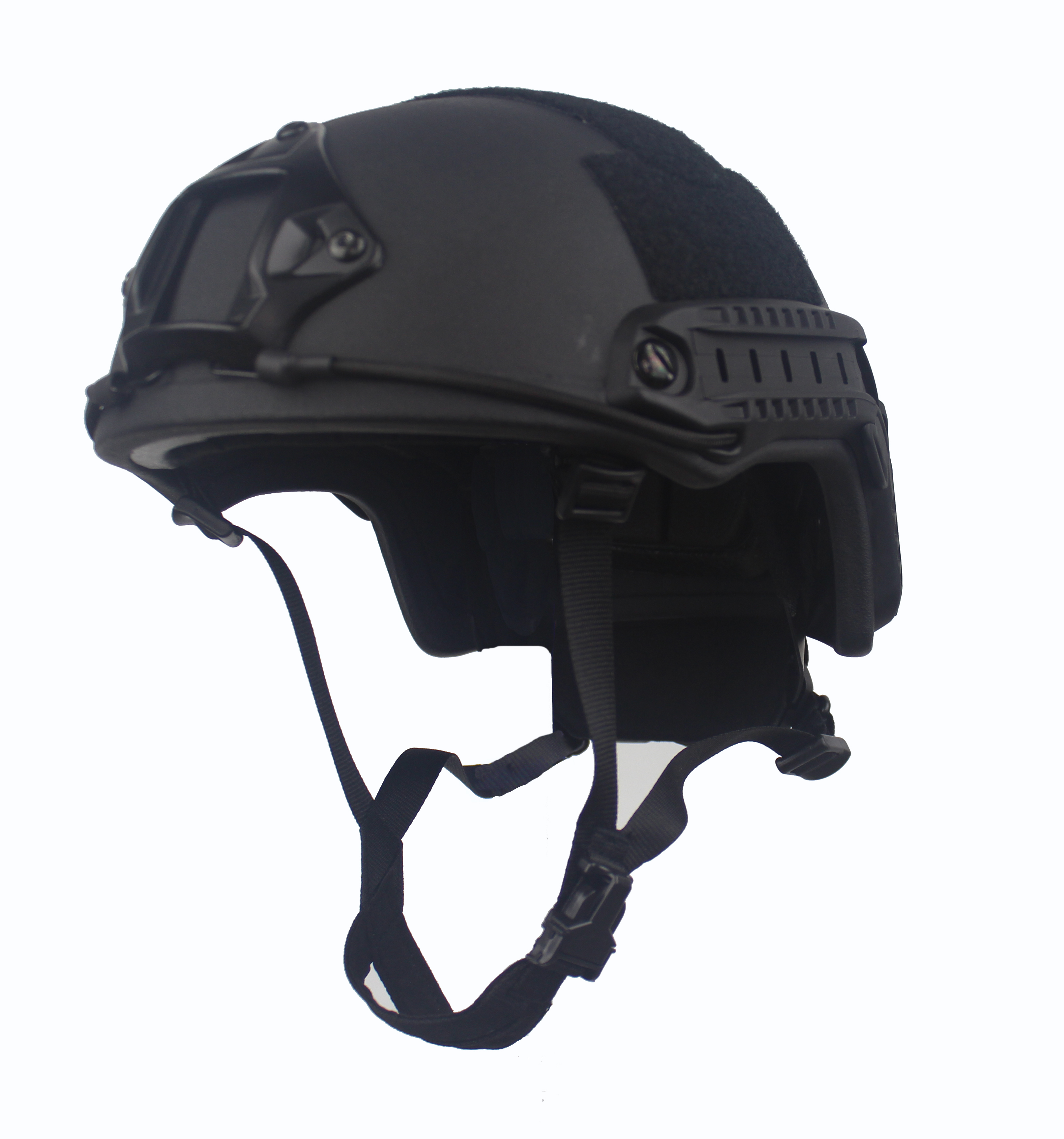
When selecting a modern high-cut, mid-cut, or full-cut helmet, most purchasers must consider how they plan to use the helmet. High-cut helmets have more space for communication headsets and are thus popular in tactical settings. The mid-cut design offers a good balance between protection and the use of accessories. Full-cut helmets provide ear coverage but hinder the use of communication gear.
The way of securing the helmet should not be done at all. The usage of a four-point harness, good adjustable parts along with good padding will make the helmet brennemoress at the same time. If it comes down to having a helmet that has the face shield in order to protect the part of the face from situations in an unrest in some zones, and for using in hazardous conditions, it will definitely make the helmet bulky and heavy, thus increasing the chance of discomfort as far as visibility, communication, and aeration are concerned.
Questions to Ask Before Buying a Ballistic Helmet
Prior to placing an order with the supplier, it is necessary to inquire the supplier about the product-specific details. Some of the important questions that one needs to ask are:
- What recognized standard or test protocol was used?
- Which ammunition types, projectile weights, and velocities were tested?
- Was the helmet tested by an independent laboratory?
- Does the report apply to the exact model, size, and production configuration?
- What is the complete helmet weight, including rails, shroud, pads, and retention system?
- What is the warranty and recommended replacement schedule?
- Is it suitable for the helmet to be used with night vision gadgets, gear for talking, glasses and shields?
Reliable producer must answer the above questions in a frank manner. Moreover, it should also provide information about what these helmets cannot protect from. Honest limitations are a sign of reliable manufacturing and customer service.
Helmet Care, Storage, and Replacement
Checking ballistic helmets before and after use in the event of an impact is essential. Look for any cracks, delamination, significant cuts, and unexpected soft spots, broken rails, loose pieces, worn chin straps, and compromised padding. Modifying the external shell or making any changes without written consent from the helmet manufacturer may render the helmet unable to comply with certification standards.
The helmet should be kept in a cool, dry place and away from sunlight, chemicals, heat sources, and fuel. Never leave the helmet unattended in a hot car. Make sure you clean the helmet following the manufacturer’s guidelines, as certain chemicals may have damaging effects.
Regardless of how a helmet may look on the outside, it must be replaced and properly checked if it has been struck by a projectile.
Post time: Sep-01-2026