Reason for Rising Prices of Ballistic Helmets
| Protective Equipment plays an important role for those who are exposed to unsafe working conditions (like Military and Law Enforcement) or are at risk of suffering from trauma (such as from gunshot wounds). As they are one of the major components in Protective Equipment’s capability to provide individuals the proper protection from head injuries from gunfire, fragmentation and blunt force, the price of ballistic helmets can vary greatly from other types of Protective Equipment. |
| On average, ballistic helmets typically have a significantly higher price than most other types of Personal Protective Equipment. This article will cover five reasons for the relatively high prices of ballistic helmets, as well as key differences between the variety of ballistic helmets available and common consumer questions concerning purchasing ballistic helmets. |
1. Price of Ballistic Helmets Indicates the Use of Innovative Materials – Providing Greater Performance
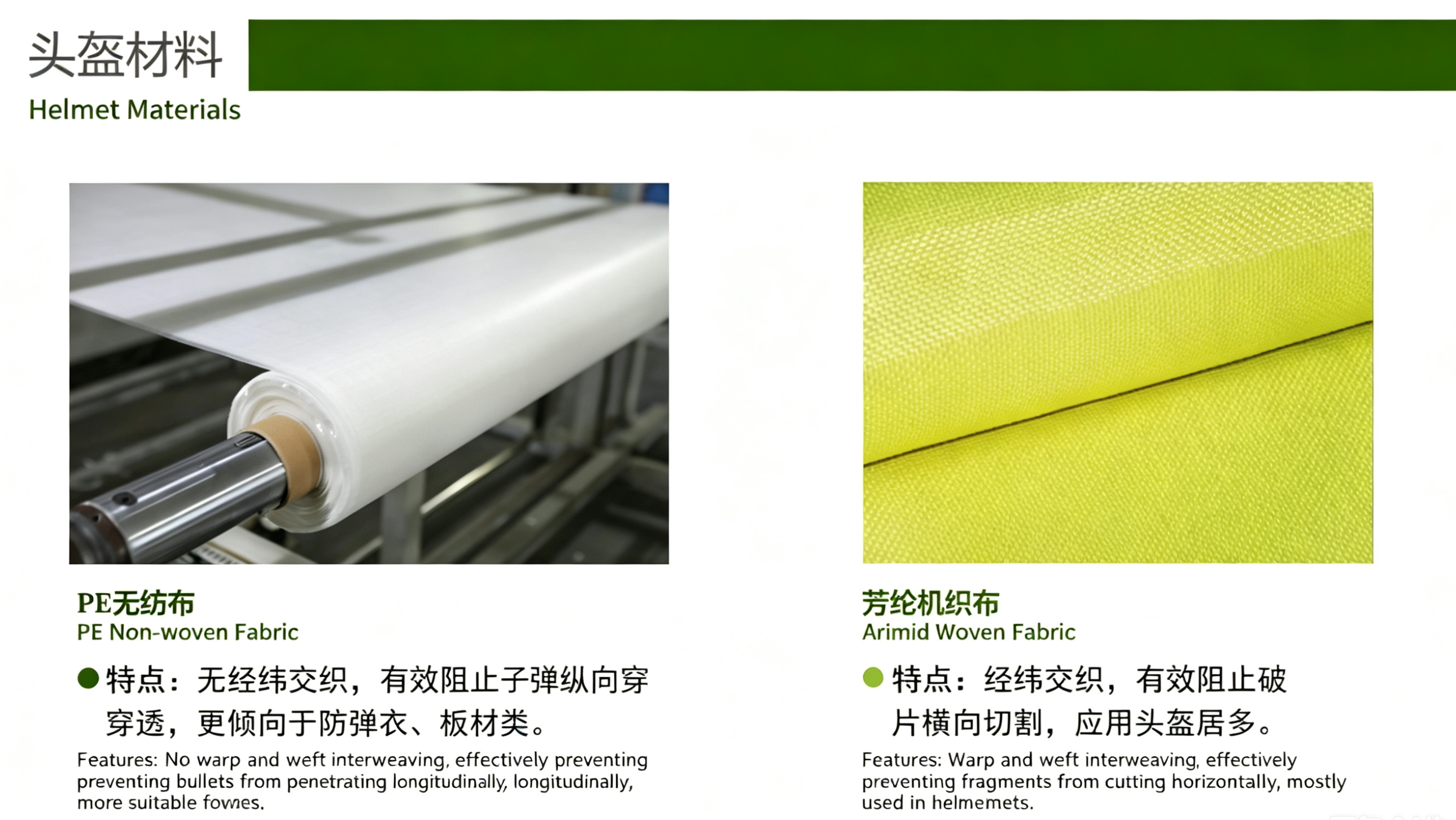
The functional price of ballistic helmets can be broken down primarily by the type of composite material used in the manufacturing of ballistic helmets. Ballistic helmets’ primary material is an innovative composite material that includes Kevlar, UHMWPE (Ultra High Molecular Weight Polyethylene), and aramid fibers. Each has an exceptionally high strength-to-weight ratio, therefore providing ballistic protection from blunt force and ballistic impact while providing the user with the maximum amount of comfort and mobility possible.
Because performance materials take considerable time, money, and testing to develop, the cost of the composite material will cause ballistic helmets to be significantly more expensive than other types of Personal Protective Equipment. Also, each composite material used to produce ballistic helmets must have been tested and certified for compliance with all applicable global safety standards, and this will also include the costs of producing ballistic helmets.
2. Testing and Certification for Ballistic Helmets
Testing and certification for ballistic helmets require extensive testing prior to certification to offer actual protection when deployed in the field. Testing ballistic helmets for ballistic capabilities at various levels of threat, along with different durability tests in different conditions (such as long-term exposure to environmental extremes of heat, humidity, or ultraviolet light).
Any commercial helmet must meet either the National Institute of Justice certification requirements or the requirements of another test organization that has a higher certification level than the national standard.
Manufacturers have a large investment in testing and certifying ballistic helmet designs including ballistic high cut helmets, ballistic fast helmets, and other protective headgear; this investment is reflected in higher production costs per unit.
3. Engineering and Design Challenges of Ballistic Helmets
Ballistic helmets can require a considerable amount of effort and expertise to engineer to achieve optimal levels of protection, usability, and comfort. There are many parameters to consider during the design of ballistic helmets; these include the overall form of the helmet, weight distribution, and how to mount accessories (night vision goggles and communication devices) on the helmet. The complexity of designing ballistic helmets requires substantial time and financial resources (research and development, development of advanced manufacturing processes, etc.) to develop an innovative design concept.
4. Niche Market and Customization of Ballistic Helmets
The production of ballistic helmets, while somewhat similar to that of other consumer products, is a total niche product due to its unique end users (the military, law enforcement, and private security), as well as the much lower number of helmets produced. The cost of production will always be higher for ballistic helmets than for mass-produced helmets. Furthermore, a large number of consumers will want properly fitted and stock helmets produced to their own specifications or personal requirements; due to most custom-built helmets being built in small quantities, the cost of production for custom was much higher than traditional ones or “off-the-shelf” helmets.
5. How Much Protection Do Ballistic Helmets Provide?
Also, many end-user purchasers of commercially purchased ballistic helmets frequently request information on the level of protection offered by their helmets. All ballistic helmets on the market today are tested against and exceed all requirements set forth by the National Institute of Justice, with respect to stopping bullet/residuals and stopping explosive fragmentation being key factors used in determining if the ballistic helmet passed or failed.
A standard ballistic helmet will protect the wearer from, at a minimum, low to high caliber pistols; at a high to minimum, protection would include small and large-sized explosive devices and flying debris resulting from gunshot. A Ballistic Fast Helmet has several advantages over military-grade helmets, especially with respect to movement and mobility of the user. You can find different styles and sizes of ballistic helmets based on manufacturer ratings, coverage provided, and fit. You will need to carefully assess your personal preferences when finding the best-rated helmet for your operational needs.
6. Different Types of Armor Helmets
Several different types of ballistic helmets provide various functions, and they may include the following:
- High Cut Ballistic Helmets: Helmet developed specifically for special forces. These helmets have a high level of compatibility with tactical gear and communication systems, thereby allowing for improved movement.
- Fast Ballistic Helmets: Lightweight helmets designed to allow improved airflow through them and/or customizable to better fit the individual wearer.
- Tactical Ballistic Helmets: Tactical helmets designed to provide mounting options for tactical items (e.g., flashlights, cameras, etc.) and face shields.
- Military Ballistic Helmets: Intended to provide maximum protection as well as additional coverage against the extreme demands of military operations.
7. Helpful Purchasing Tips for Ballistic Helmets
In considering a purchase of a ballistic helmet, the following tips may assist you in getting the most suitable ballistic helmet for your application:
Determine your level of risk: Identify the threats and choose a helmet that meets your protective requirements.
Comfort: A helmet that fits well to your head will allow you to wear it for longer periods of time and function better. Choose a helmet with adjustable straps, good padding, and ample ventilation.
Compatibility: If you wish to use accessories with your ballistic helmet (e.g., NVGs, communication systems, cameras, etc.), be certain a helmet has integrated mounting options for those accessories.
Buy from a reputable brand: The quality of ballistic protection helmets is very important, and many of the most well-known manufacturers spend substantial amounts of time and money on product research, development, safety testing, and product quality assurance to create the highest-level ballistic protection available.
Conclusion
The high price of most ballistic helmets is typically based on the extensive engineering and design efforts that were required to create them, the cost of the materials, as well as the amount of testing and custom fitting done in order to manufacture the helmets for use in high-risk environments. The value users receive from ballistic helmets includes the protection they provide and their level of comfort and utility. When you are looking for a ballistic helmet for sale or when you will be selecting a helmet that meets your needs, you should focus on your requirements, purchase high-quality certified gear, and plan to invest in quality ballistic equipment. Not only will this provide you with protection, but you will also have the comfort of knowing that you are acting in a responsible manner regarding your safety.
Post time: May-14-2026