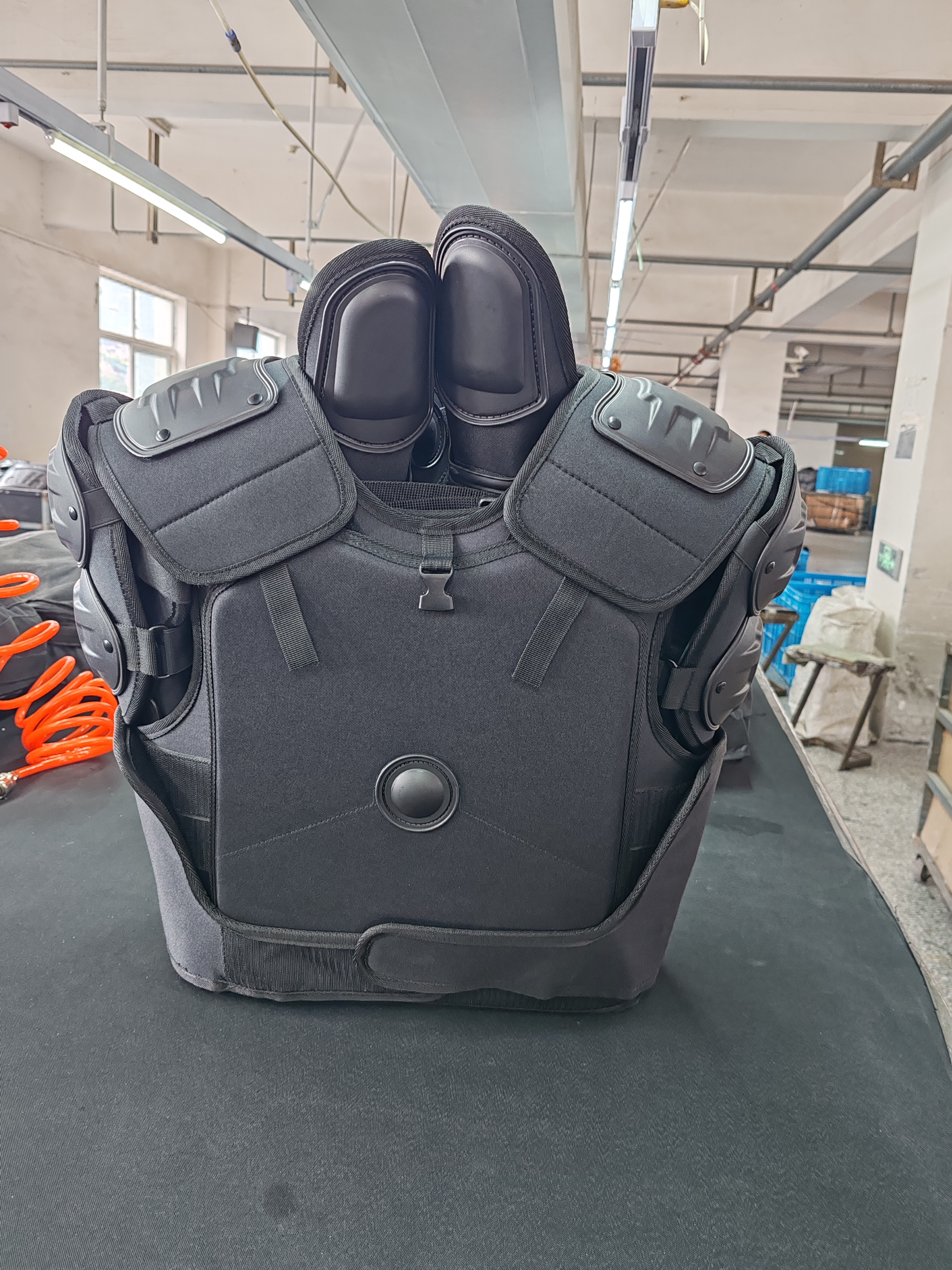
In recent years, riot gear – once solely associated with law enforcement responses to large-scale unrest – has increasingly found applications in everyday public settings, emerging as a critical tool for enhancing safety in crowded venues, educational institutions, and community events. Designed to protect wearers from physical assaults, projectiles, and sharp objects, modern riot gear systems have evolved to be more lightweight, flexible, and adaptable, making them suitable for non-tactical scenarios where public safety remains a top priority.
Public events and gatherings, a cornerstone of community life, have become key arenas for the practical use of riot gear. Major music festivals, sports championships, and cultural parades often draw tens of thousands of attendees, creating potential risks of crowd surges, altercations, or unexpected threats. Security personnel at such events are now frequently equipped with modular riot gear components, including lightweight ballistic vests, impact-resistant arm guards, and face shields. “Our goal is to ensure a safe environment for everyone to enjoy the event,” said Maria Gonzalez, security director of a prominent national music festival. “The riot gear allows our team to respond calmly to incidents without compromising their safety, preventing small conflicts from escalating into larger issues.” During a recent city marathon with over 20,000 participants, security staff outfitted with riot gear successfully de-escalated a confrontation between spectators, minimizing risk to bystanders and maintaining the event’s flow.
Educational institutions, particularly universities and large high schools, have also integrated riot gear into their safety protocols. With campuses serving as bustling hubs of activity – hosting lectures, sports games, and student gatherings – administrators are prioritizing measures to protect students, faculty, and staff from potential threats, ranging from unauthorized intruders to violent disruptions. Many campus security teams now undergo training in riot gear use and keep fully equipped response kits on-site. “Campus safety requires proactive preparation,” explained Dr. James Harrison, dean of student affairs at a major university. “Having riot gear available ensures our security personnel can intervene effectively in emergency situations, whether it’s a violent altercation or an active threat, while reducing the risk of harm to themselves and others.” A recent incident at a suburban high school saw security staff using riot gear to safely subdue an armed intruder, preventing casualties and highlighting the gear’s role in school safety.
Public transportation hubs, including train stations, airports, and bus terminals, have also adopted riot gear as part of their daily security measures. These high-traffic areas are vulnerable to a range of risks, from unruly passengers to potential terrorist threats. Transit security officers now regularly wear lightweight riot gear, such as stab-resistant vests and impact-resistant gloves, to handle incidents safely. “Transit security requires us to be prepared for anything,” said John Miller, a senior transit security officer. “The riot gear gives us the confidence to respond to confrontations or emergencies without putting ourselves or commuters at unnecessary risk.” In a recent incident at a major city’s central train station, officers equipped with riot gear successfully de-escalated a situation involving a heavily intoxicated passenger who was assaulting bystanders, ensuring the safety of everyone present.
The adoption of riot gear in everyday public settings is not without controversy, with some critics expressing concerns about the potential for over-policing or the intimidation of individuals. However, proponents argue that the gear is a defensive tool designed to protect both security personnel and the public, and its use is strictly regulated by training protocols that emphasize de-escalation before physical intervention. Manufacturers have also responded to these concerns by developing more lightweight, non-intrusive riot gear that is less visually intimidating while maintaining high levels of protection.
As public safety concerns continue to evolve, the use of riot gear in everyday settings is likely to become more widespread. With ongoing advancements in material science and design, riot gear will continue to become more adaptable, comfortable, and effective, ensuring that public spaces remain safe for everyone to enjoy. Whether at a music festival, a university campus, or a train station, riot gear is no longer just a tool for law enforcement – it’s a critical component of everyday public safety.
Post time: Jan-26-2026