Understanding Bulletproof Vests
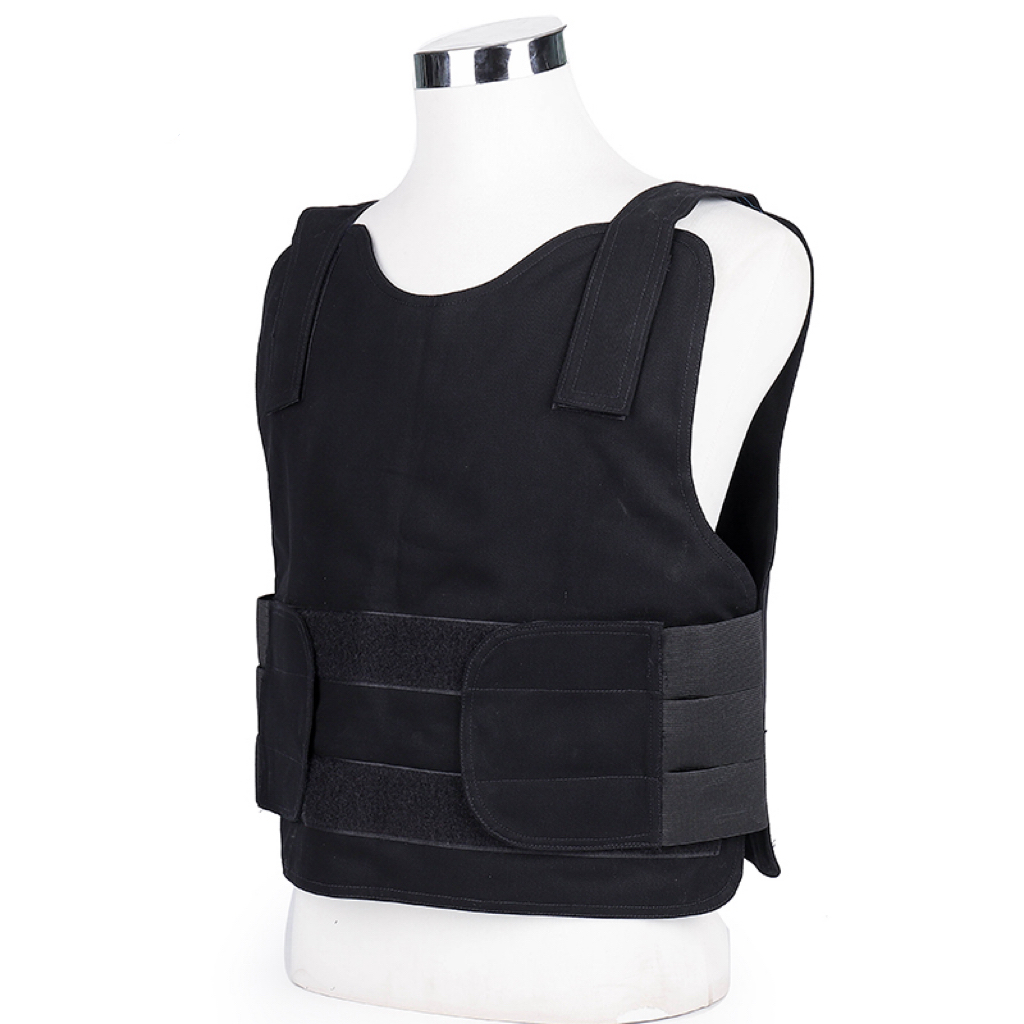
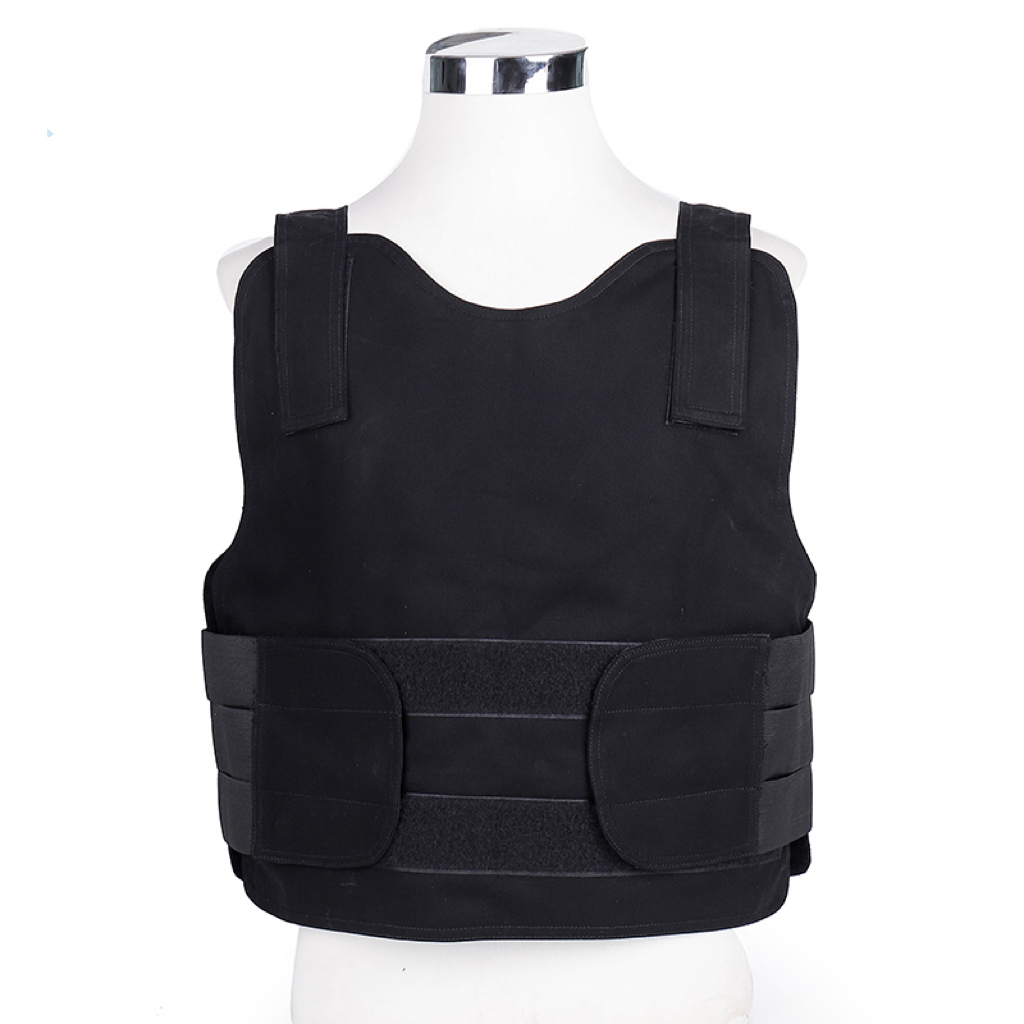
To understand how effective they are, we should first look at the definition of bulletproof vests; vests are designed to absorb and distribute the force of an object so that its potential to injure or kill you is lessened. Another point of clarification is the difference between the terms “bullet-resistant” and “bullet-proof” — no vest is completely bullet-proof against all types of bullets (and most will only provide protection against specific types of ammunition based on the corresponding level of ballistic protection).
Ballistic Protection Levels
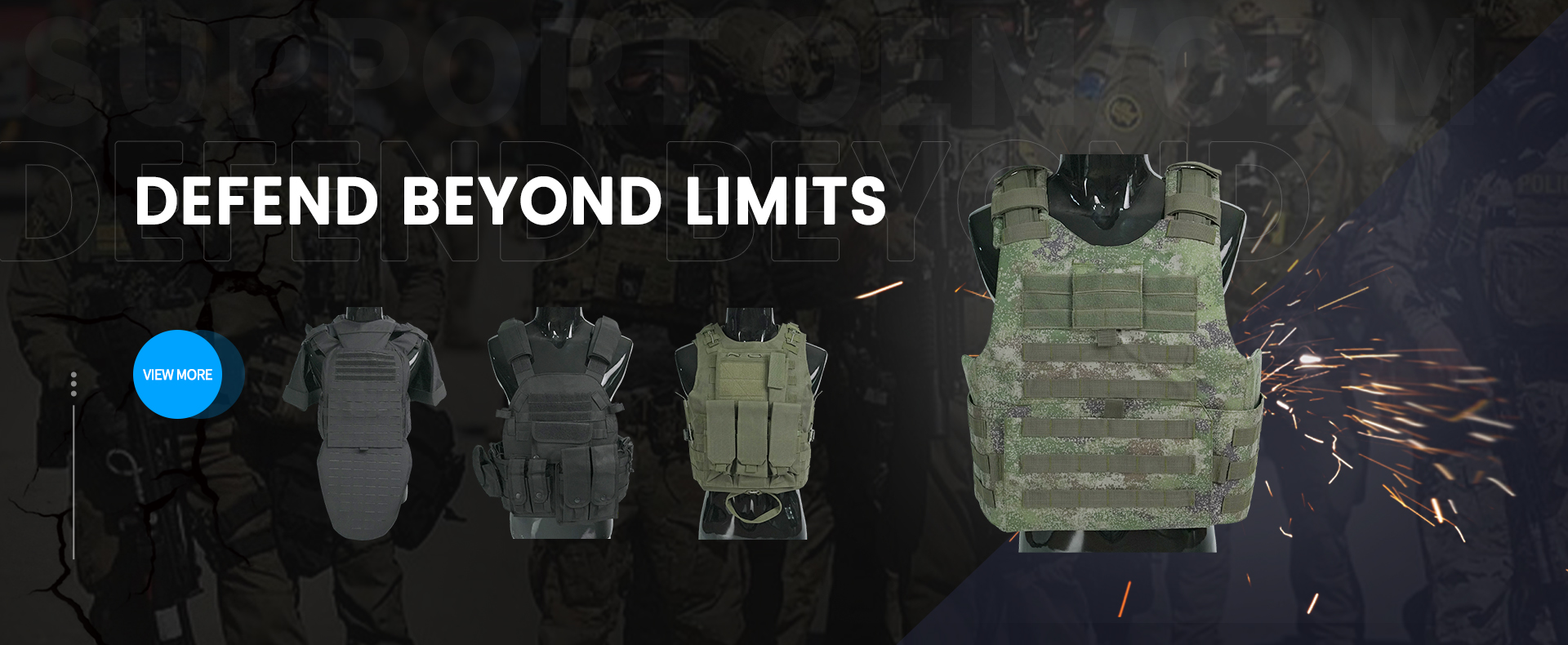
According to National Institute of Justice (NIJ) standards, there are five types of bullet-proof vests, based on how much energy from a particular type of round can be absorbed by that body’s armor or vest. V-level vests provide the greatest protection from high-energy rifle rounds; I to IV level vests provide varying degrees of protection based on caliber and wear rates.
Tactical Vests and Their Features
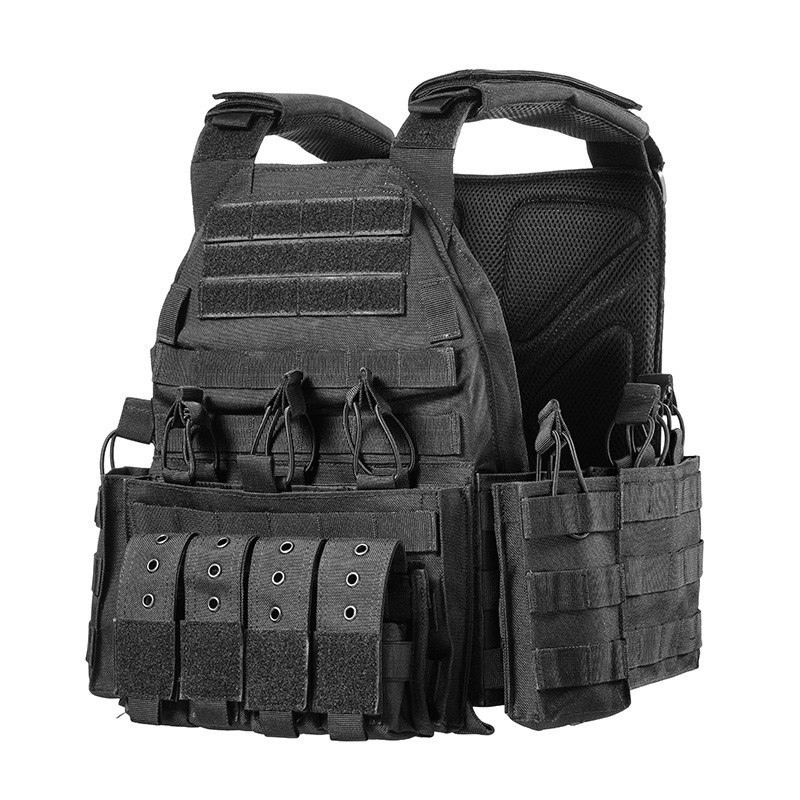
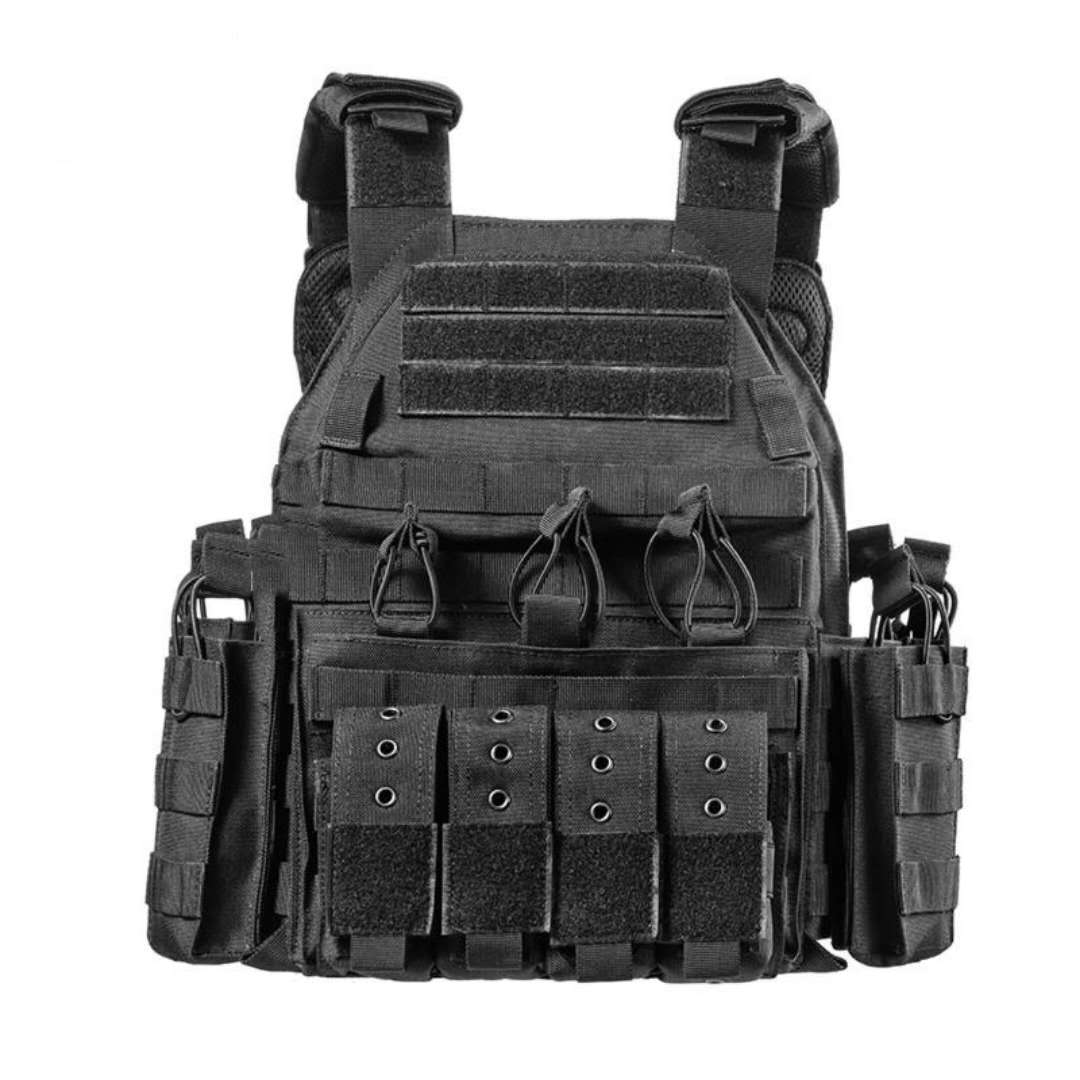
Tactical vests are designed not only to provide protection, but also to serve a tactical function. The primary use of tactical vests is by law enforcement and military personnel and are made with various systems that allow them to attach other kinds of equipment (e.g., clip-on pouches) to the vest. Most of the tactical vests that are currently being manufactured have ballistic and/or standard plate carriers built into them, allowing the person wearing them to have a higher level of protection while wearing them with hard-body armor, without making the tactical vest more cumbersome; thereby increasing the functionality and usability of the tactical vest.
Modern tactical vests have also been developed with a focus on enhancing the vests’ ability to adapt to various types of vehicles and locations (also referred to as dynamic situations); because of these new tactical vests, there are a number of different ways that a person can adjust the fit and comfort of the tactical vest.
Legal Issues Surrounding Bulletproof Vests
Many people who want to purchase bullet-proof vests have asked if they are legal to wear. Whether or not a bullet-proof vest is legal will depend on where the person is located as well as what the person is doing when wearing a bullet-proof vest. Most jurisdictions throughout the world permit individuals to own and use their own bullet-proof vests; however, some jurisdictions may have restrictions on the use of bullet-proof vests with other items (e.g., guns) or in conjunction with types of activities (e.g., hunting). Therefore, a person should check with local regulations and laws regarding the use and ownership of bullet-proof vests prior to using one or possessing one.
FAQs About Bulletproof Vests
To deliver the utmost accurate and comprehensive information about bulletproof vests, we will answer many of the questions customers ask about bulletproof vests.
1. Can a bulletproof vest stop all bullets? Different types of bullets require specific levels of protective equipment that will, hypothetically, protect you against the bullets just as any other form of protection would. As a result, multiple standard exists to identify which type(s) of bullet(s) will be safe when chosen as part of your ballistic equipment.
2. Are bulletproof vests comfortable? Material used in the manufacture of a product as well as its design has a great deal to do with how comfortable it is to use. One company, in particular, provides protection from product use while also providing comfort to the user, even over long periods of time.
3. How do I choose the right bulletproof vest? Take into account the type of equipment being used, what type of protection will be required, how the equipment will fit, and if there are any other optional features (e.g. if the tactical vest has modular).
4. Do bulletproof vests have an expiration date? Over time, vests may not offer adequate functionality, generally because of both wear and tear from usage and representative environmental conditions affecting the vest’s performance. Therefore, be sure to routinely check your vests per the instructions provided by the manufacturer.
Concluding Thoughts
Protective vests made from bullet resistant material are designed to help shield people from various types of bullets and to create a sense of safety and security in high-risk situations. Bullet resistant vests are not completely bullet proof thus though not an all-in-one solution to protection against bullets; it’s important for all wearers of bullet-resistant vests to be aware of the capacities and limitations of the vests they select, as well as any legal regulations that apply in their state, with regards to wearing a vest, and the type of situations where wearing a vest would be appropriate. By providing themselves with this knowledge, consumers will be empowered to make educated choices that will not only improve their chances of surviving an event involving firearms but also provide them with the appearance and performance of the item(s) that they desire.
Post time: Jun-11-2026